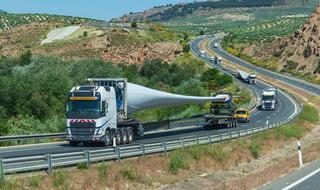
Understanding traffic and transport risks in onshore wind projects
by Charlie Seventekin, Ian Cronshaw
View post

The Energy Savings Opportunity Scheme (ESOS) Phase 4 marks a clear shift from compliance as a periodic obligation to a more strategic, outcomes-focused approach to energy management.
While the core framework remains familiar, expectations around data quality, accountability and implementation continue to increase, with greater emphasis on turning insights into measurable action. With key milestones set for December 2026 and 2027, early engagement will be critical for organisations looking to maximise value, integrate findings into wider investment and decarbonisation plans, and avoid a last-minute compliance exercise.
Enhanced reporting requirements, energy intensity metrics and stronger accountability mechanisms reinforce the direction set in Phase 3, encouraging businesses to demonstrate real progress. Ultimately, those that take a proactive, strategic approach, potentially supported by routes such as ISO 50001, can use ESOS not only to reduce costs and improve resilience, but to build a strong foundation for future Net Zero ambitions and long-term competitive advantage.
The briefing note linked below outlines the key requirements, timelines and considerations to support early planning and effective participation. If you would like to discuss this further, please don’t hesitate to get in touch.
Read briefing paper