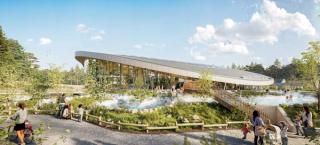
Microclimate Solutions for Scottish Village Resort
- Client Name
- Edmond Shipway Limited
- Location
- Scottish Borders, Scotland
Challenge
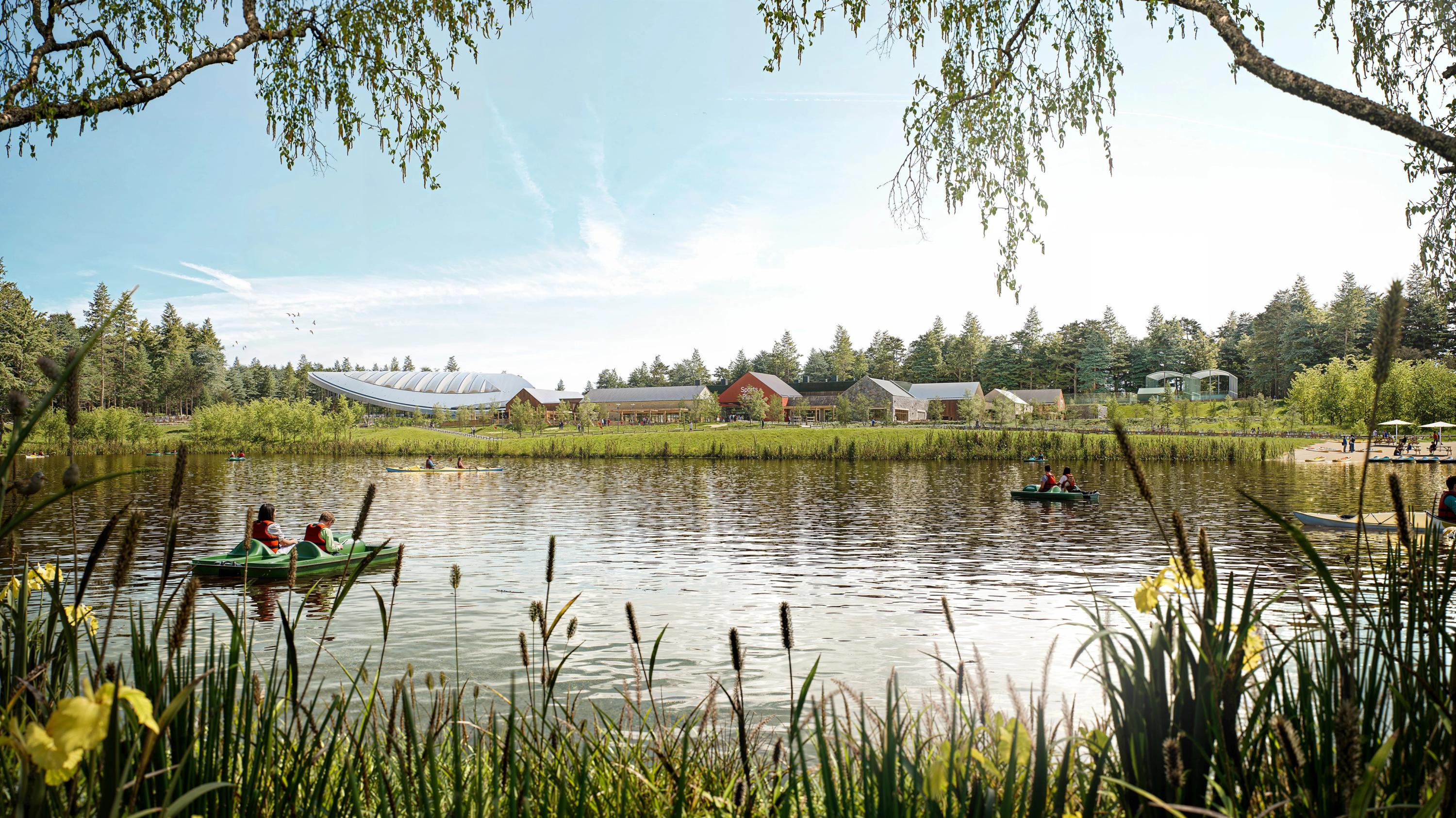
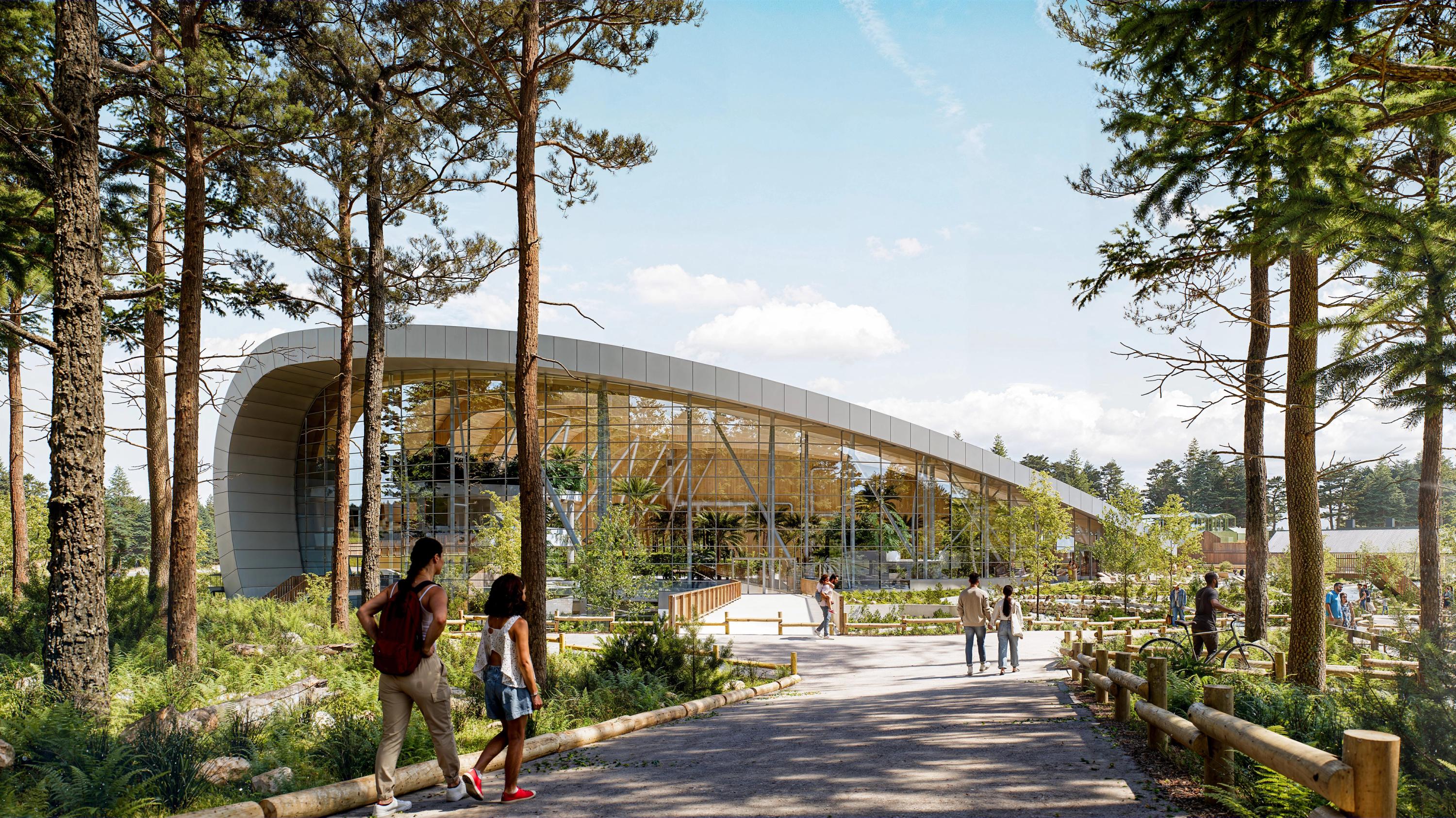
Center Parcs operates naturecentred holiday resorts across the UK. As part of the development of a new resort in the Scottish Borders, Edmond Shipway engaged SLR to provide guidance on wind comfort across the proposed resort, with the aim of creating suitable conditions for outdoor activities. As a naturefocused resort, wind comfort in outdoor spaces was an important consideration, and the design team sought to create calm and comfortable conditions in key areas. As the project progressed, concerns about snow removal efforts and expected snow accumulations were raised, as this would be the most northerly resort in the client’s portfolio. With the project still in the conceptual design stage, there was an opportunity to consider these factors early and make adjustments to building orientation, location, and massing. Overall, the client wanted to understand how the local climate could impact the resort and how potential negative impacts could be minimized.
Solution
SLR joined the project during the conceptual design phase to provide guidance. Initially, this guidance was conveyed through online design charettes with the architecture and landscape design teams. As the team collaborated on building placement, overall site layout, and building massing, one of SLR’s microclimate experts provided real-time input, weighing the balance between wind comfort, design aesthetics, and overall site programming. Where SLR could not attend meetings, guidance was provided through concise email responses supported by informational graphics.
To understand the local climate and provide specific guidance on building orientation, SLR conducted a meteorological analysis of wind comfort. SLR reviewed numerous stations in the vicinity of the site and selected two that best represented the anticipated wind conditions at the resort based on topographical similarities. Wind roses, which convey wind directionality and frequency, were provided, laying a foundation for the discussion of prevailing winds.
A similar analysis was conducted for snow accumulations, and the data provided the anticipated snow volume and the number of days with snowfall, among other information that would influence snow removal efforts. The Operations Team then asked for additional information: a comparison with a currently operating resort in Cumbria to gauge the level of snow-removal effort. For further information on the overall climate, a parametric analysis of thermal comfort, utilizing the Universal Thermal Climate Index (UTCI), was conducted for the region.
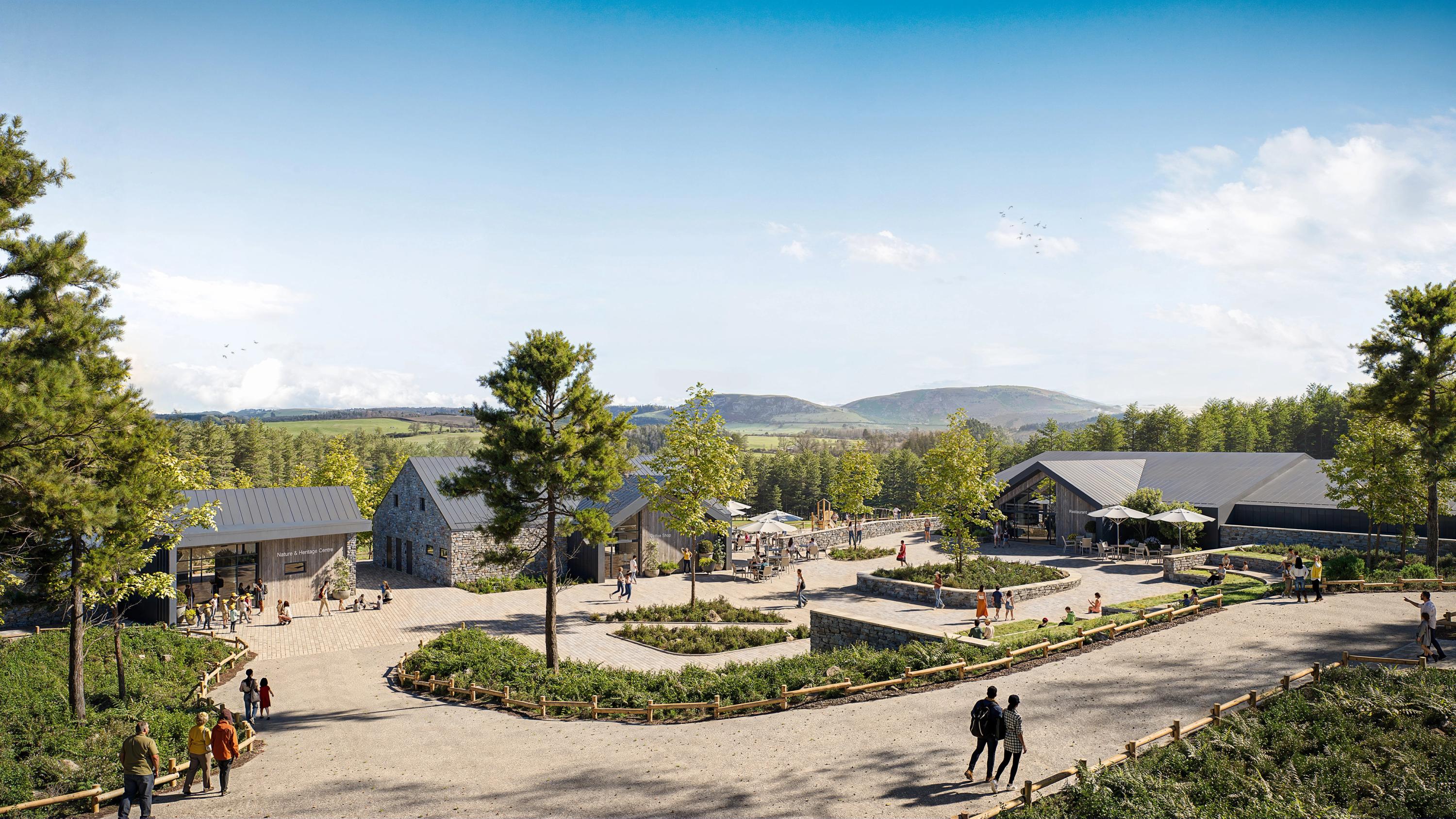
As the master plan was refined, SLR provided guidance during the schematic design phase, again through online design charettes and emails. Once the overall master plan was confirmed, SLR conducted a qualitative analysis of the central village areas for both wind comfort and snow drifting conditions. This analysis presented predicted current conditions, as well as anticipated conditions 10-20 years in the future when the recently planted forest would be of influential height.
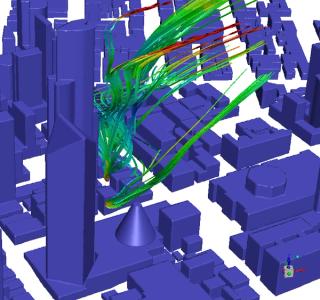
Best practices guidance was also provided for the individual lodges, such as where to place patios and entrances to take advantage of calm wind conditions. The qualitative numerical analysis utilized the meteorological data, architectural information, and SLR experience to provide diagrams of the anticipated wind comfort conditions around the resort. As SLR had been involved since conceptual design, there were few recommendations, as concerns had been minimized through ongoing design discussions.
Regarding snow drifting, once the master plan was confirmed, SLR conducted a qualitative analysis of key recreation and amenity areas using meteorological data, architectural information, and experience. Best practice guidance was provided to minimize snow removal effort, including the placement of entrances and exits, and the alignment of roads.
Impact
By considering the influence of the local climate during the conceptual and schematic design phases, potential negative impacts related to wind and snow were identified and mitigated early. The ongoing collaboration between SLR and the architectural and landscape teams enabled microclimate concerns to be addressed in real time, minimizing alterations during the design development phase.
SLR’s use of graphic-led reports and accessible language made technical findings more straightforward for the wider design team to interpret and apply. Beyond providing project-specific recommendations, SLR also shared knowledge that could be applied in the future, such as best practices and general concepts of how wind and snow interact with buildings.
This project demonstrated the value of integrating microclimate expertise into the design from the outset, resulting in a more holistic design outcome.